A possible natural dispersal mechanism among juveniles of the bioinvader snail Melanoides tuberculata (Thiaridae: Gastropoda) by floatation
DOI:
https://doi.org/10.61733/jconch/43402Keywords:
Melanoides tuberculata, floating, dispersal mechanism, juvenilesAbstract
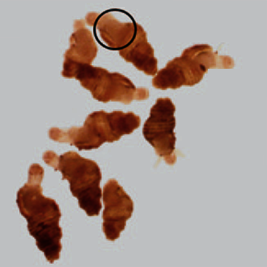
Native to Africa through to SE Asia the invasive freshwater gastropod Melanoides tuberculata (Müller, 1774) has successfully spread to the American continent, and is a strong competitor of native gastropods. Deliberately introduced into the West Indies to combat schistosomiasis in the late 1970s, it is now widespread throughout the Caribbean. Its range has expanded to cover Brazil, where it was first observed in the 1960s, and throughout South America. Preying on eggs of local limnic molluscs, its impact has been devastating, with M. tuberculata replacing native populations (Ladd & Rogowski, 2012; Vogler et al., 2012). Furthermore, M. tuberculata exhibits parthenogenesis, is long-lived and is assumed to demonstrate an efficient dispersal mechanism; all of these factors are beneficial to a bioinvader that can reach high densities. With the addition of a high tolerance to variable environmental conditions such as salinity, eutrophication and pollution it is a voracious competitor with non-native species. Dispersal mechanisms of this bioinvader are key to learn about the spread of invasive species. The hypothesis of Melanoides’ floating behaviour was studied in the laboratory for a better understanding of its dispersal techniques through major Brazilian hydrographic systems. During a period of six months, under controlled conditions, reproductive adults were observed, and juveniles were for the first time observed floating, and moving, below the water film using their foot as a surfboard, and the proboscis as a paddle. This data could be useful in future control methods.